Work
Work, reported honestly.
Black Reach Media is a new agency. There are no published client case studies yet, so this page shows our method rather than borrowed results.
Creative in circulation
Follow one ad from the first insight to the next decision.
This is how we work, shown as a concept film with a made-up product, so nothing here pretends to be a client result.
What we learn firstConcept example
- Customer
- Who buys, what they need at that moment, and what makes them hesitate.
- Product
- What it really does, and what it does not. An insulated bottle that keeps water cold all day.
- Proof
- What we can show on camera instead of claiming in a caption.
- Account
- Past creative, tracking quality and what has already been tried.
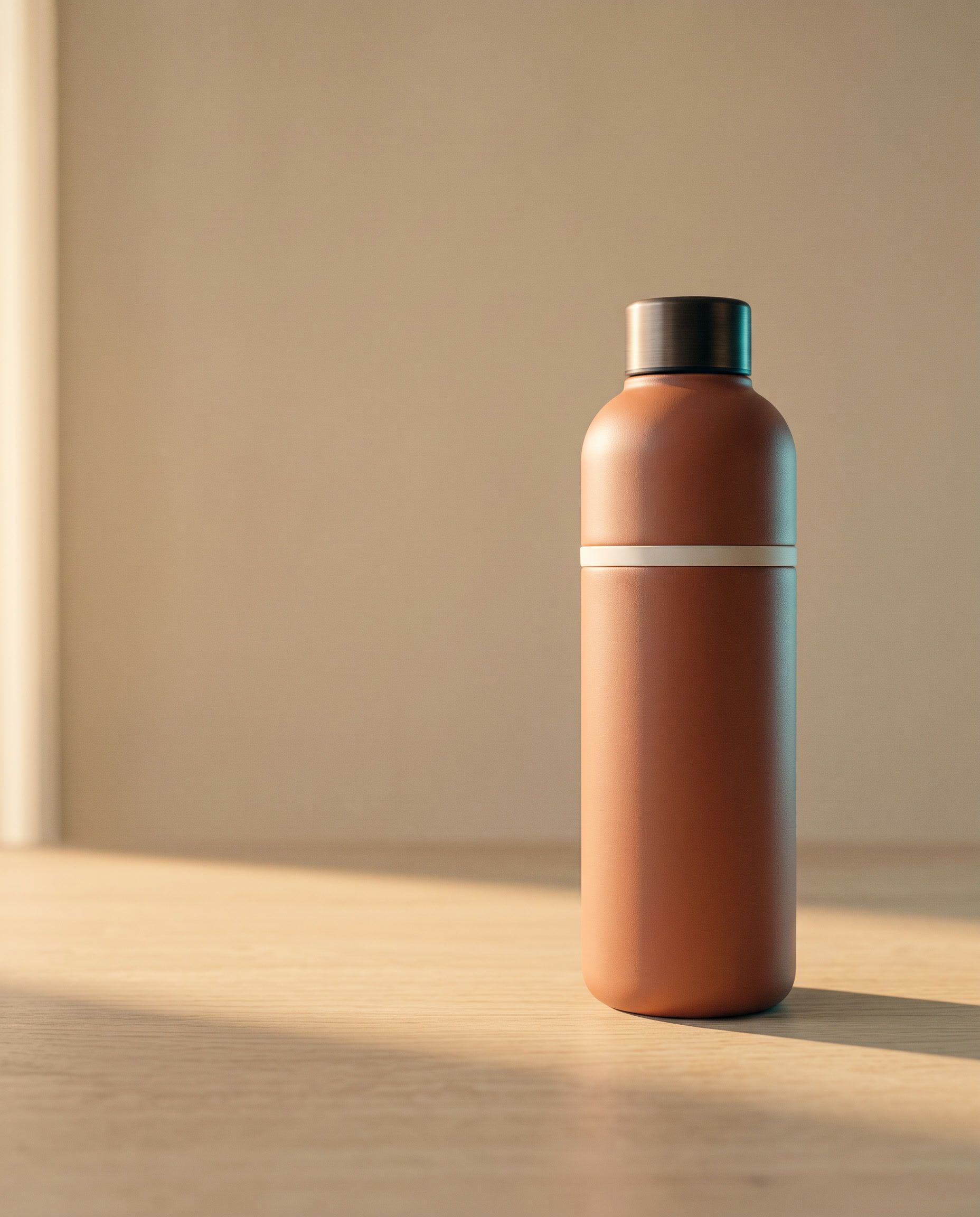
Kesso
Still cold at 4 pm.
An insulated bottle for long days.
Concept example
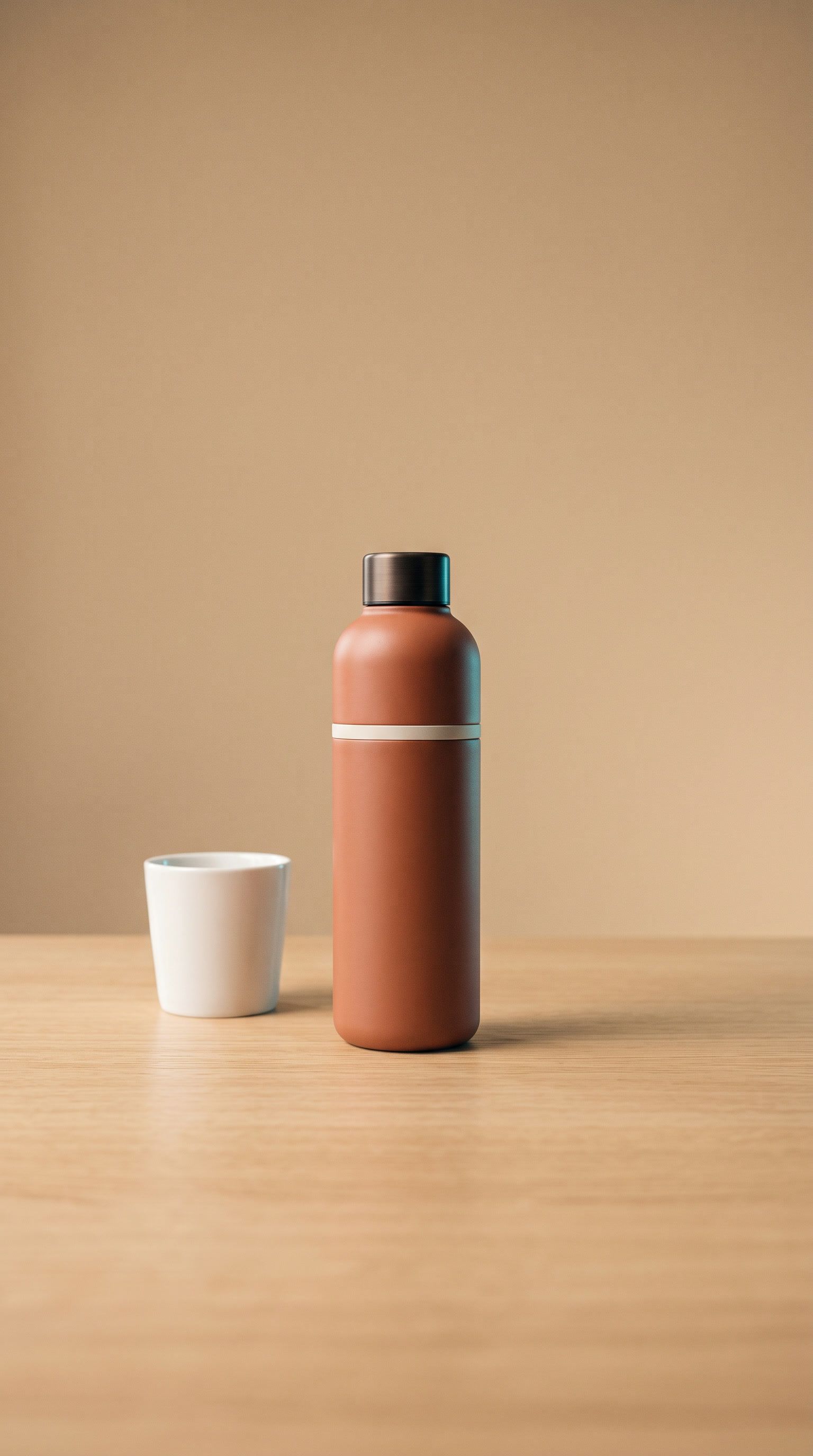
Kesso
Your 4 pm water, still cold.
Concept example
Kesso
Show the ice, not the claim.
Concept example
Kesso
Desk, trail, commute.
Concept example
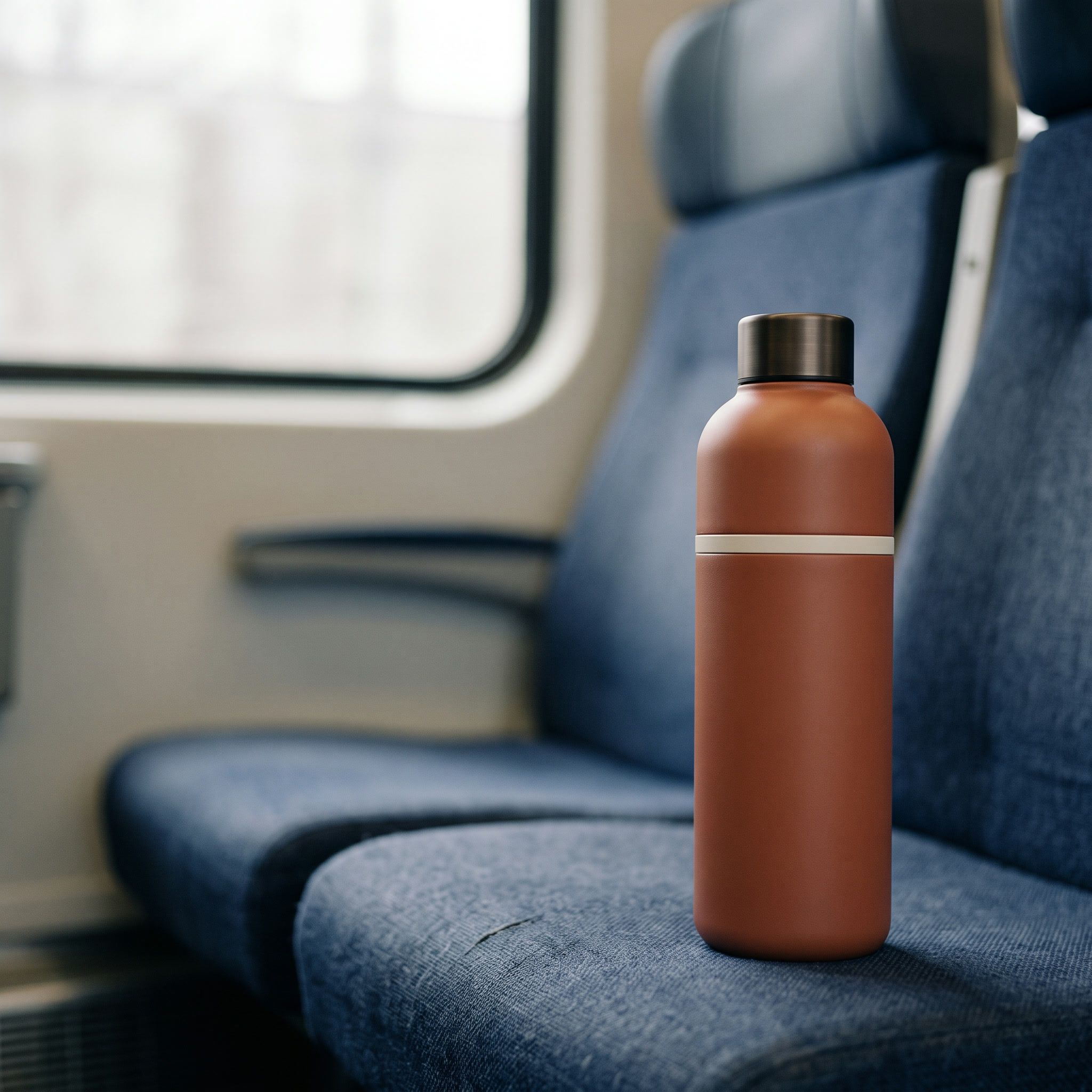
Kesso
The 2 pm slump.
Concept example
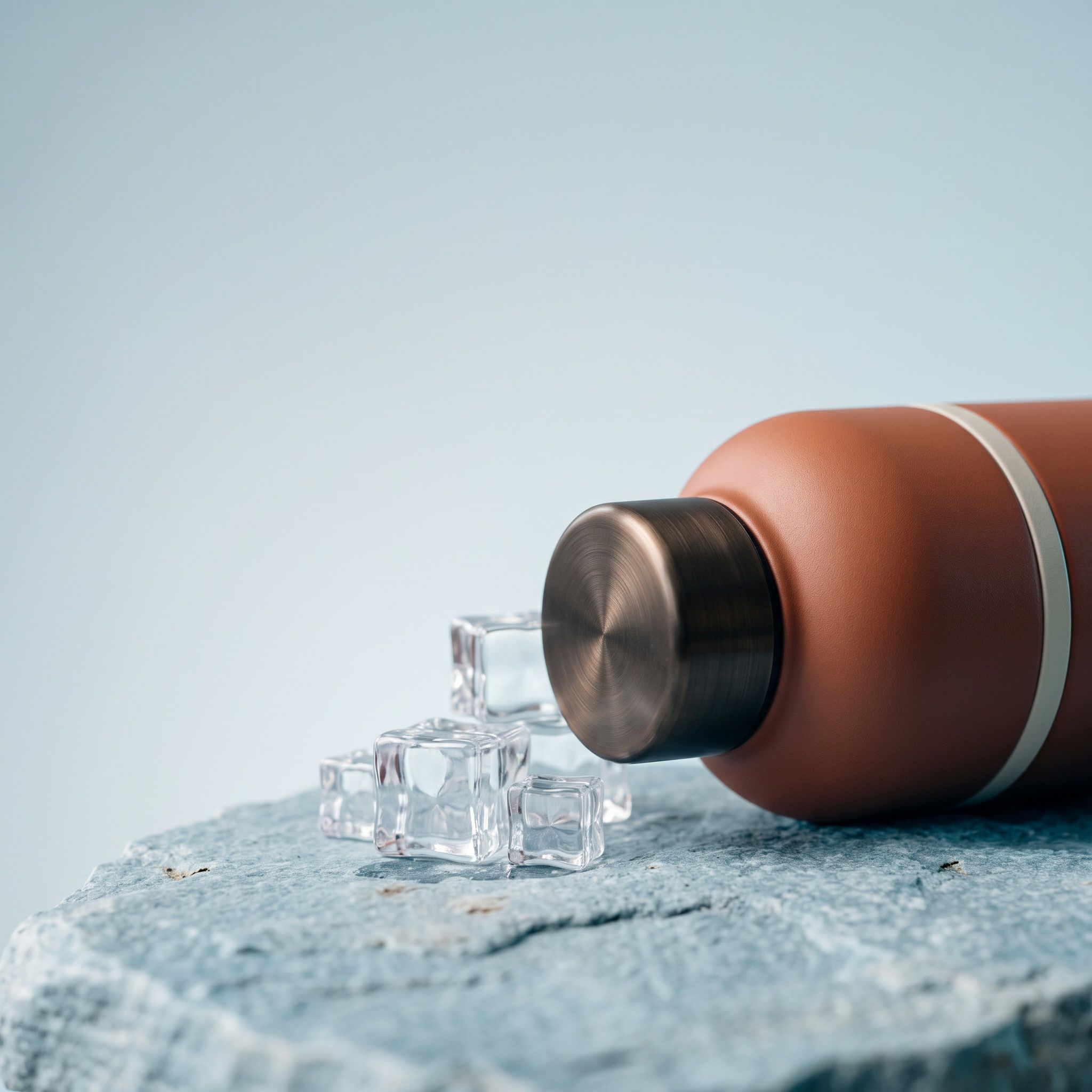
Kesso
Double wall. No sweat.
Concept example

Kesso
One bottle, all day.
Concept example
Test planConcept example
- Hypothesis
- A concrete time-of-day hook will hold more of the right attention than a general benefit line.
- Variable
- The opening line only. Visual, offer and audience stay the same.
- Placement
- Vertical Reels and Stories first. In-feed read separately.
- Question
- Do people who stop go on to view the product and act?
- Review point
- After enough delivery to see a pattern, not after one good day.
Reading the signalNo figures shown
- DeliveryDid it reach the people we intended?
- AttentionDid it hold past the opening?
- Qualified actionDid viewers take a step that matters to the business?
- ContextTracking quality, spend level, timing and sample size.
Illustrative layout. Real reviews use the client's own account data.
Next creative briefConcept example
Keep the time-of-day hook. Test the proof next.
- What we learned
- The opening line is worth keeping as the control.
- Next variable
- Proof framing: show the ice and the desk, make no claim we can't show.
- Decision
- Iterate. No winner declared from one round.
01 Understand
It starts with the customer and the offer.
Before any ad exists, we learn who buys or books, what they need at the moment they decide, what the offer really does, and what we can actually show. That becomes a written brief.

What we learn firstConcept example
- Customer
- Who buys, what they need at that moment, and what makes them hesitate.
- Product
- What it really does, and what it does not. An insulated bottle that keeps water cold all day.
- Proof
- What we can show on camera instead of claiming in a caption.
- Account
- Past creative, tracking quality and what has already been tried.
02 Form a hypothesis
One idea, stated as something we can test.
Here, one hook for the example bottle: a concrete time of day should hold attention better than a general benefit. The opening frame has to make sense at a glance, in the feed where people will meet it.

Kesso
Still cold at 4 pm.
An insulated bottle for long days.
Concept example
In-feed · 4:5 working ratio 03 Build variants
Then honest variants, one change at a time.
Each variant answers a different question: the opening line, the kind of proof, the setting. The idea is recomposed for 9:16 Reels and Stories with the hook and product inside the safe area, and a carousel tells a short sequence: the need, the detail, the payoff. Exact specs are checked in Ads Manager before anything ships.
Kesso
Still cold at 4 pm.
Concept example
A · Opening line
Still cold at 4 pm.

Kesso
Show the ice, not the claim.
Concept example
B · Proof framing
Show the ice, not the claim.

Kesso
Desk, trail, commute.
Concept example
C · Setting
Desk, trail, commute.
Carousel sequence · 1:1 cards
Kesso
The 2 pm slump.
Concept example
1 · The need Kesso
Double wall. No sweat.
Concept example
2 · The detail Kesso
One bottle, all day.
Concept example
3 · The payoff 04 Test paid-social creative
Every test starts with a question worth answering.
Before launch, the plan names the hypothesis, the single variable, the placement and the review point. If we cannot say what we would learn, we do not run it yet.

Test planConcept example
- Hypothesis
- A concrete time-of-day hook will hold more of the right attention than a general benefit line.
- Variable
- The opening line only. Visual, offer and audience stay the same.
- Placement
- Vertical Reels and Stories first. In-feed read separately.
- Question
- Do people who stop go on to view the product and act?
- Review point
- After enough delivery to see a pattern, not after one good day.
05 Read the signal
Then we read the evidence, carefully.
Delivery, attention, qualified action and context are read together. What a result means depends on the objective, tracking quality, spend and sample size. One number on one good day is not proof.

Reading the signalNo figures shown
- DeliveryDid it reach the people we intended?
- AttentionDid it hold past the opening?
- Qualified actionDid viewers take a step that matters to the business?
- ContextTracking quality, spend level, timing and sample size.
Illustrative layout. Real reviews use the client's own account data.
06 Decide the next move
The learning becomes the next brief.
No trophy for a “winner”. The finding shapes what we make next, and the cycle runs again with a sharper question.

Next creative briefConcept example
Keep the time-of-day hook. Test the proof next.
- What we learned
- The opening line is worth keeping as the control.
- Next variable
- Proof framing: show the ice and the desk, make no claim we can't show.
- Decision
- Iterate. No winner declared from one round.
The standard
What every case study will include
A case study appears here only when a client gives written permission and the numbers can be backed up.
Starting point
The business and its offer, the account's state and the problem we were asked to solve.
Inputs
Media spend and timeframe, so results can be judged in proportion.
Method
What was tested, in which placements, and what changed between rounds.
Attributed result
What the evidence supports, how it was measured, and what else could have contributed.
Permission
The client's written approval to publish, including any figures shown.
The idea in motion
One idea, cut for three placements.
A twelve-second silent edit of the same concept: the scene, the vertical cut, the variants. It shows how pieces relate, not how any ad performed.
Concept demonstration
The Kesso concept
Kesso is a fictional bottle brand we use to show how one idea moves through placements, variants and a test plan. Nothing about it is a real campaign.
Kesso
Still cold at 4 pm.
An insulated bottle for long days.
Concept example
Kesso
Show the ice, not the claim.
Concept example
Kesso
Desk, trail, commute.
Concept example
Founder experience
Paul's own background is separate from agency results.
Paul Rammeloo ran Meta advertising for ecommerce businesses he owned before starting Black Reach. That experience shapes how we work, but it belongs to him and those businesses, not to Black Reach clients. More about Paul
Tell us what your Meta campaigns are doing now.
A short form, a few questions about your business, spend and goals. If it looks like a fit, the next step is a conversation, not a pitch deck.